
An Integrative Approach
Seven Elements to Equine-Assisted Psychotherapy
ATTACHMENT
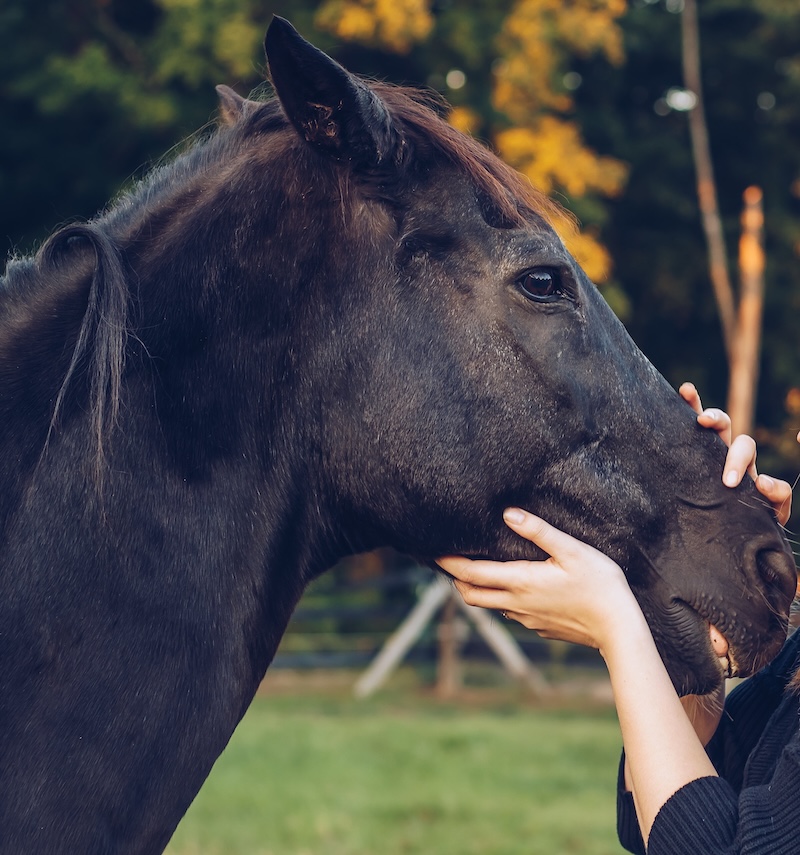
Connected
We know that how a child is cared for at four months old determines their attachment style for life (Beebe et al., 2012; Perry, 2013; Trevarthen & Aitken, 2001).” Fear, anger, depression, stomach pain, sleeplessness and anxiety may not only be due to war, or growing up with childhood abuse, or in domestic violence these tragedies are often layered on top of a lack of care the first two years of life when an individual’s attachment style is determined.
Having a mother, or caregiver warmly express consistent, predictable care not only establishes safety and security, but it also develops the infant’s ability to regulate their emotions appropriately throughout in adulthood. When parenting lacks warmth, or it is inconsistent, unpredictable and perhaps violent, or neglectful it not only creates an insecure attachment style impacting relationships through the lifespan, but it decreases an individual’s ability to tolerate distress. This is often where anger, anxiety and depression originate from. Everything that happens to a person after age two is built on that foundation, either secure, or insecure, either able to tolerate distress, or not.
Our Senses

Somatic Nervous System
The brain has something like bookshelves, or cognitive schemas that categorize all sensory information from birth to the present moment. Whatever is happening in the present, the brain responds to based on what has happened like it before (Feldman-Barrett, 2017).
Most responses are subconscious and involuntary determined by our attachment style and early childhood experiences. This is often why we are triggered by a person’s facial expression or action.
a Psychobiological Framework and the Polyvagal Theory
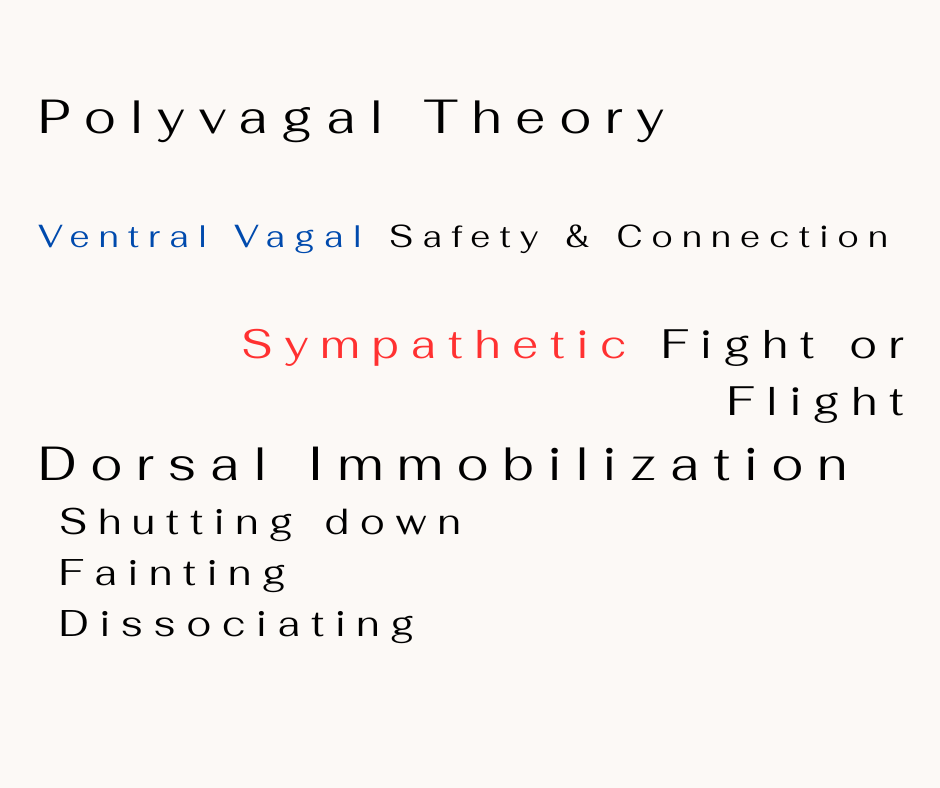
Polyvagal Theory by Dr. Stephen Porges
Dr. Stephen Porges founded a scientific perspective grounded in neurophysiology and referred to as the Polyvagal Theory based on three core principles: hierarchical organization of the autonomic circuits, neuroception (the nervous system’s ability to detect danger) and
co-regulation (connecting with a safe person to help you feel calm), (Porges, 2017). Problems are not only psychological, but physiological.
Safety
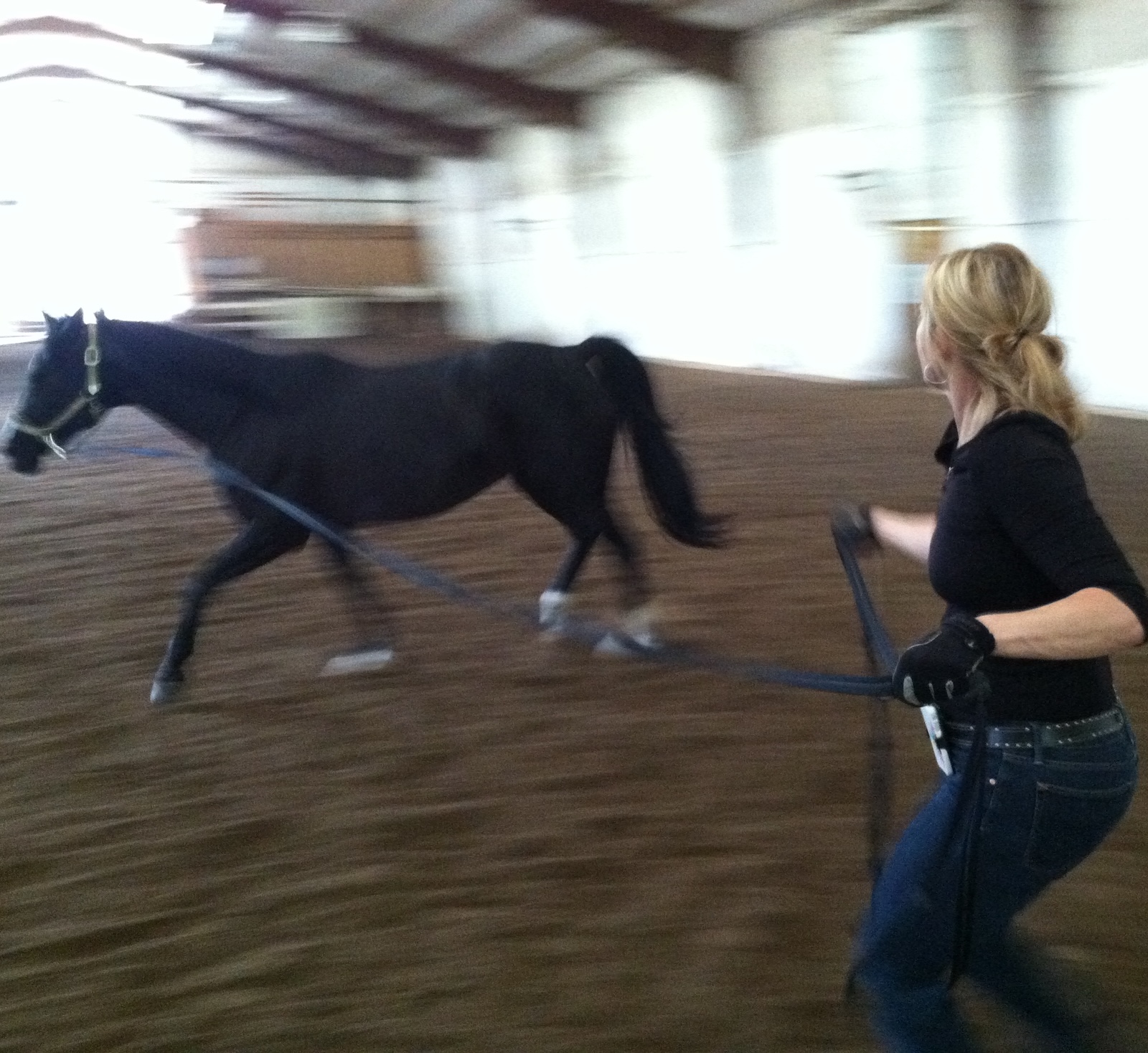
The Central Nervous System
We need social nourishment, but when we have an insecure attachment style in early childhood, and perhaps later experienced a family of domestic violence, drug and alcohol use and/or sexual or physical abuse the CNS subconsciously learns to react defensively – fight or flight (anger or isolation), or
immobilization (shutting down, dissociating) instead of connecting to others or Jesus (to be vulnerable, known and feel that you belong). Or finding escape through food, pornography, alcohol or substances to numb out.
Trauma

Complex Post Traumatic Stress Disorder (C-PTSD)
PTSD: Is often referred to as shock trauma, like war, or a car accident.
The individual has witnessed or heard about a tragic event that happened to someone close to them. This can happen to first responders, EMT’s, and mental health professionals. It involves:
a. An experience or exposure to an event(s).
b. Intrusive spontaneous traumatic memories (can be flashbacks).
c. Avoidance of distressing stimuli that reminds the person of the trauma.
d. Negative shifts in thinking (cognitions) and emotions (mood).
e. Arousal – on alert, the individual is inclined to be reactive.
Complex PTSD: “Complex post traumatic stress disorder (Complex PTSD) is a disorder that may develop following exposure to an event or series of events of an extremely threatening or horrific nature, most commonly prolonged or repetitive events from which escape is difficult or impossible (e.g. torture, slavery, genocide campaigns, prolonged domestic violence, repeated childhood s**ual or physical abuse).
Horses: Trauma-Informed EAP
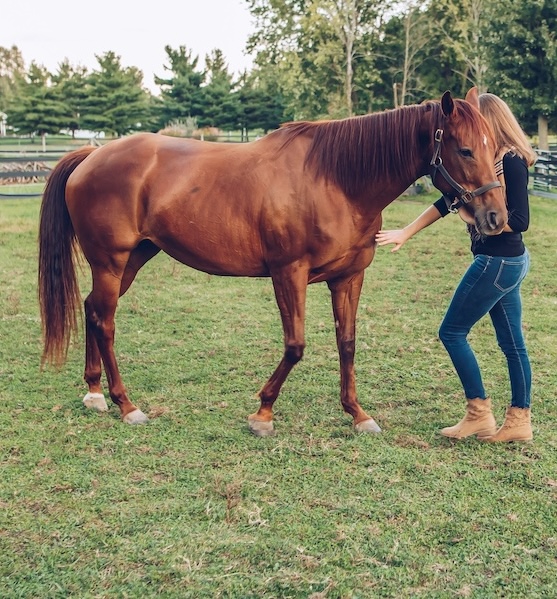
The Horse-Human Connection
They live in the moment, and their goal is survival and procreation. Living as sentient beings that possess an outstanding sensory system and can see about 350 degrees and 200 feet in front of them. Having eyes on both sides of their head allows them to detect predators from the distance.
Humans are seen as predators from the horses’ perspective, but God made them so that they lower their fight or flee tendencies for survival in order to support humans. Their elegant sensory system observes the human to determine their motivations. They may know us better than we know ourselves.
A Christian Perspective

The Way Forward
Neglected in early childhood I grew up seeking recognition from anyone who paid me attention. Some people shut down and remain safe, but isolated that can lead to depression and suicide, others like me, may seek love from others and it turns out to not be love at all, they inflict pain and hurt.
Going from person to person only to experience pain repeatedly, I asked Jesus for help surrendering my independent, self-sufficient ‘I’ve got this’ kind of heart. It has taken time reading the Bible and praying to Jesus to realize my value and allow him to make my heart a flower-garden. Now I will ask my students, ‘do you enjoy being with yourself?’ Is your heart a flower- garden? Years later after Jesus heard my cry for help that night and lifted my out of a dark twisty pit facing death, I believe he gave me a new heart through his redeeming Love and Power to heal. There is a verse, “God, create a clean heart for me and renew a steadfast spirit within me,” Psalm 51:10, CSB. He knew I needed a clean heart and that is what many of us need to heal from the pain that keeps us in our internal prison. People can continue to tear you down, so “Guard your heart above all else, for it is the source of life, Proverbs 4:23, CSB.